
Introduction
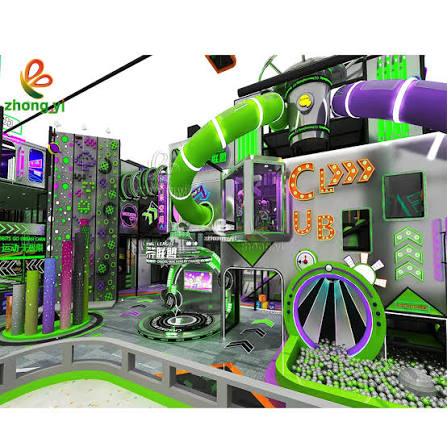
Investing in commercial indoor playground equipment is an excellent opportunity for businesses that want to create entertaining, engaging, and family-friendly environments. Indoor playgrounds are becoming increasingly popular in shopping malls, family entertainment centers, restaurants, schools, daycare facilities, and recreational venues. They provide children with a dedicated space to explore, exercise, develop social skills, and enjoy interactive activities regardless of outdoor weather conditions.
However, establishing a successful indoor playground requires more than simply purchasing colorful play structures. Business owners must consider safety, durability, design, age suitability, maintenance, and long-term operating costs before making an investment. Choosing the right equipment can improve customer satisfaction, encourage repeat visits, and support the overall success of a commercial play facility.
Understanding the essential features of commercial indoor playground equipment helps investors make informed decisions and build attractive play spaces that meet the needs of children, parents, and business operators.
1. Safety Standards and Protective Features
Safety should always be the first consideration when selecting commercial indoor playground equipment. Children need an environment where they can explore freely while the risk of preventable injuries is minimized.
Look for equipment designed with suitable protective barriers, secure connections, rounded edges, and cushioned surfaces. Slides, climbing frames, tunnels, ball pits, and elevated platforms should be designed to reduce common hazards, including falls, entrapment, and collisions.
Flooring is another important safety feature. Impact-absorbing materials can help reduce the severity of certain falls when properly selected and installed. Protective padding around structural supports and other hard surfaces can also improve the play environment.
Before purchasing, ask manufacturers for information about applicable safety standards, product testing, installation requirements, and inspection procedures. Requirements may vary by country, equipment type, and facility. Independent certification and documented compliance can provide additional confidence.
Regular inspections and clear supervision policies are equally important because even well-designed playground equipment requires responsible operation.
2. Durable and High-Quality Materials
Commercial indoor playgrounds often experience heavy daily use, especially during weekends, school holidays, and special events. Therefore, equipment must be strong enough to withstand frequent climbing, jumping, sliding, and other active movements.
Examine the quality of the materials used in the structure. Commercial-grade steel frames, durable plastic components, reinforced connections, and high-quality padding can contribute to a longer service life when appropriately designed and maintained.
Soft play equipment should feature resilient foam and durable outer coverings that can tolerate regular use and cleaning. Slides and tunnels should be manufactured from materials suitable for their intended loads and operating conditions.
It is also important to consider the quality of stitching, fasteners, protective coatings, and joints. Weak components may require frequent repairs, increasing maintenance expenses and creating potential safety concerns.
Although premium equipment may require a larger initial investment, durable construction can reduce replacement frequency and help businesses manage long-term operating costs more effectively.
3. Age-Appropriate Play Activities
A successful indoor playground should offer activities that match the abilities and developmental needs of its intended visitors. Toddlers, preschoolers, and older children have different physical capabilities, interests, and supervision requirements.
For younger children, suitable options may include low climbing structures, soft blocks, small slides, sensory panels, and interactive play elements. These features encourage exploration, coordination, and early problem-solving.
Older children may enjoy climbing walls, obstacle courses, rope bridges, tunnels, multi-level play frames, and more challenging interactive activities, provided the equipment is appropriate for their age, size, and abilities.
Creating separate play zones for different age groups can improve organization and help reduce conflicts between children with different activity levels.
When evaluating commercial indoor playground equipment, check the manufacturer’s recommended age range, capacity limits, height restrictions, and supervision requirements. A thoughtfully planned combination of activities can make the facility appealing to a wider audience while maintaining a suitable play experience for each group.
4. Flexible and Space-Efficient Design
Every commercial property has different dimensions, ceiling heights, layouts, and access requirements. Selecting equipment that fits the available space is essential for creating a comfortable and functional playground.
Before purchasing, measure the intended installation area and identify obstacles such as columns, doors, emergency exits, ventilation systems, and electrical fixtures. The layout should provide sufficient clearance around play structures and preserve accessible circulation routes.
Modular commercial indoor playground equipment can be especially useful for businesses that want flexibility. Modular systems allow operators to combine different components, adapt layouts, and potentially expand the facility as customer demand grows.
For smaller venues, vertical play structures can make productive use of available floor space, provided the building height and applicable safety requirements permit them.
A professional layout should also include appropriate seating for parents, reception areas, storage, and convenient access to restrooms where possible. Balancing play capacity with visitor comfort helps create a more practical commercial environment.
5. Variety of Activities and Interactive Features
Children are more likely to remain interested in a playground that offers multiple activities rather than a single repetitive attraction. A varied equipment selection can encourage movement, exploration, creativity, and imaginative play.
Consider combining slides, climbing frames, ball pools, crawl tunnels, soft play blocks, balancing features, and themed play areas. Interactive panels and role-play elements can add educational value while allowing children to experiment with different activities.
For example, a themed adventure zone might encourage children to imagine exploring a jungle, while a construction-themed area could support creative building and cooperative play.
Interactive equipment should be selected according to the facility’s target audience and maintenance capabilities. Electronic features may create additional entertainment opportunities, but they can also introduce repair requirements and operating expenses.
The goal is to provide a balanced collection of activities that supports active movement and imaginative experiences without overcrowding the playground.
6. Hygiene and Easy Maintenance
Cleanliness is particularly important in indoor playgrounds because children frequently touch shared surfaces and play in close contact with equipment.
Choose materials that are easy to clean, resistant to everyday wear, and suitable for the cleaning products recommended by the manufacturer. Removable or replaceable soft play covers can simplify maintenance when they are designed for that purpose.
Ball pits, foam components, padded surfaces, and high-touch areas require particular attention. A documented cleaning schedule should identify cleaning methods, responsible staff members, and inspection frequencies.
Equipment should also be designed to minimize inaccessible spaces where dust and debris can accumulate. Where practical, removable panels and accessible connections can make routine inspections and cleaning easier.
Before finalizing a purchase, ask about replacement parts, cleaning instructions, warranty coverage, and the availability of technical support. Reliable after-sales service can help operators address problems quickly and reduce unnecessary downtime.
7. Attractive Themes and Visual Appeal
Visual design plays an important role in attracting families and establishing a memorable playground experience. Bright colors, imaginative themes, and well-organized activity zones can make a facility more appealing to children.
Popular design concepts include jungle adventures, underwater worlds, outer space, castles, transportation, and fantasy landscapes. A consistent theme can connect individual play structures and create an environment that feels carefully planned.
However, appearance should never take priority over safety or functionality. Decorative elements must be securely installed, made from suitable materials, and designed to avoid sharp edges or other hazards.
Businesses should also consider how the playground’s appearance fits their brand identity. Coordinated colors, signage, and reception areas can create a recognizable atmosphere that complements the wider entertainment venue.
A visually appealing environment can support promotional photography and word-of-mouth recommendations, helping businesses communicate their offering to prospective customers.
8. Accessibility and Inclusive Play Opportunities
Inclusive design helps make indoor playgrounds more welcoming to children with different abilities and needs. Businesses should consider whether their facilities provide meaningful opportunities for participation rather than focusing exclusively on physical challenges.
Depending on the venue and target audience, useful features may include accessible routes, ground-level activities, sensory play panels, quieter areas, and activities that encourage cooperative interaction.
Clear pathways and suitable circulation space can also improve convenience for caregivers, including those using mobility aids or strollers.
When purchasing equipment, discuss accessibility options with the manufacturer and review applicable building and accessibility regulations. Not every play structure will accommodate every child, so offering a variety of activities can help more visitors find enjoyable ways to participate.
Inclusive planning can improve the overall visitor experience and demonstrate a commitment to serving a broader community.
9. Installation, Warranty, and After-Sales Support
Even high-quality equipment may perform poorly if it is installed incorrectly or supported inadequately. Professional installation is therefore an important part of the purchasing decision.
Choose a supplier that provides clear assembly instructions, installation guidance, structural requirements, and information about ongoing inspections. Depending on the equipment and building, qualified installers or other specialists may be needed.
Review the warranty carefully before committing to a purchase. Determine which components are covered, how long the coverage lasts, and whether labor, shipping, replacement parts, or accidental damage are excluded.
Reliable after-sales support is especially valuable for commercial facilities because equipment downtime can interrupt business operations and disappoint customers.
Ask potential suppliers about their response times, spare-parts availability, maintenance recommendations, and experience with similar commercial projects. These details can help distinguish a dependable supplier from one that focuses mainly on the initial sale.
10. Budget and Long-Term Return on Investment
Price is an important factor, but the cheapest equipment is not necessarily the most economical choice. A sensible investment decision should account for both the initial purchase price and the total cost of operating the playground.
Additional expenses may include shipping, installation, flooring, facility modifications, inspections, cleaning supplies, repairs, insurance, staffing, and periodic component replacement.
Business owners should estimate how many visitors the facility can accommodate comfortably and identify realistic revenue opportunities. These may include admission tickets, birthday party packages, group bookings, memberships, and food or beverage sales where appropriate.
Consider how equipment variety, durability, customer comfort, and maintenance requirements may influence visitor satisfaction and repeat business. Financial projections should use realistic assumptions rather than guaranteed attendance or revenue figures.
Comparing supplier quotations and requesting detailed specifications can help investors understand what each package includes and identify potential hidden costs.
Conclusion
Investing in commercial indoor playground equipment requires careful planning, thorough product evaluation, and a clear understanding of customer needs. Safety, material quality, age-appropriate activities, flexible layouts, easy maintenance, and reliable after-sales support are among the most important features to consider.
Businesses should also evaluate accessibility, visual appeal, installation requirements, and long-term operating costs before making a final decision. Choosing equipment that balances entertainment with practical functionality can help create an engaging environment for children and a comfortable experience for families.
With the right combination of thoughtful design, durable materials, and responsible maintenance, a commercial indoor playground can become a valuable attraction for shopping centers, family entertainment venues, educational facilities, and other businesses. A well-planned investment supports enjoyable play experiences while helping operators build a sustainable and welcoming destination for their communities.